


Why remote workers are actually flocking to cities with thriving beer scenes
The Great Shift: From Cubicles to Craft Taprooms
The traditional office is no longer the epicenter of professional life. As remote work becomes a permanent fixture for millions, the criteria for choosing a place to live have shifted. It is no longer just about being close to a corporate headquarters; it is about lifestyle, community, and the 'third space.' This shift has led to a fascinating trend: remote workers are increasingly flocking to cities known for their thriving craft beer scenes.
At Festival Cerveceros, we’ve observed how brewing culture has evolved from a weekend hobby into a cornerstone of urban development. For the digital nomad or the home-based professional, a city with a robust selection of breweries offers more than just a great IPA—it provides a practical ecosystem for productivity and social connection.
Breweries as the Ultimate 'Third Space'
Sociologists often talk about the 'third space'—a place that isn't home (the first space) and isn't work (the second space), but where community happens. For the remote worker, breweries have become the modern iteration of this concept. Unlike traditional bars, craft breweries often feature large, open layouts, plenty of natural light, and a relaxed daytime atmosphere that is conducive to getting things done.
Many breweries have leaned into this trend by offering high-speed Wi-Fi, ample power outlets, and mid-day coffee service before the taps start flowing heavily. The practical appeal is clear: you get the professional focus of a coworking space without the expensive monthly membership fees.
Why Craft Beer Cities Attract High-Value Talent
The presence of a thriving beer scene is often a proxy for other qualities that remote workers value. A city that can support twenty or thirty independent breweries usually boasts a high level of entrepreneurship, a walkable urban core, and a culture that prizes quality over quantity. Here is why these hubs are winning the talent war:
- Walkability and Transit: Most beer-centric cities (like Denver, Portland, or Asheville) prioritize walkable neighborhoods, making it easy to transition from a morning of work to an afternoon of exploration.
- Cultural Vibrancy: A strong brewing scene usually coincides with a great food scene, live music venues, and local art galleries.
- Built-in Community: Remote work can be isolating. Breweries offer a low-pressure environment to meet locals and other professionals, often through run clubs, trivia nights, or industry meetups hosted at the taproom.
Networking Beyond the Cubicle
One of the biggest practical advantages of living in a beer-forward city is the organic networking. In cities like San Diego or Bend, the local brewery is the neighborhood town square. It is not uncommon to find yourself sitting next to a software developer, a graphic designer, or a startup founder. These casual interactions often lead to professional opportunities that are difficult to replicate in a purely digital environment.
Practical Tips for Working from a Taproom
Transitioning your office to a local brewery requires a bit of etiquette and strategy. To ensure you stay productive while remaining a welcome guest, follow these practical guidelines:
- Check the Vibe First: Not every brewery is a workspace. Choose locations with long communal tables, good lighting, and a moderate noise level during the day.
- The 'One-Drink-Per-Hour' Rule: If you are taking up a seat and using the Wi-Fi, support the business. This doesn't have to be beer; many breweries offer kombucha, cold brew, or sparkling water.
- Be Mindful of Peak Hours: If the taproom starts filling up for the happy hour rush, that is your cue to pack up. Never take up a four-person table during a busy Friday evening if you're just on your laptop.
- Bring Your Own Power: While many modern taprooms have outlets, you shouldn't count on them. Carry a portable power bank or ensure your laptop is fully charged before you arrive.
What to Look for in Your Next Remote Work Destination
If you are considering a move to a city with a better 'work-life-brewery' balance, look for these specific indicators of a healthy scene:
Taproom Density and Variety
A city with only one or two large breweries can get repetitive. Look for 'brewery clusters'—neighborhoods where multiple taprooms are within walking distance of each other. This allows you to change your scenery throughout the day or week, which can significantly boost creative output.
Outdoor Accessibility
The best beer cities for remote workers often integrate their brewing culture with the outdoors. Whether it’s a beer garden with mountain views or a patio near a city park, having access to fresh air while you work is a major draw for those fleeing cramped metropolitan apartments.
Conclusion: The Future of the Brew-Working Lifestyle
The flocking of remote workers to beer-centric cities isn't just a passing fad; it’s a reflection of a deeper desire for a more integrated life. By choosing locations that offer a blend of professional infrastructure and high-quality local culture, digital professionals are reclaiming their time and their social lives. As long as breweries continue to provide welcoming, functional spaces, the 'work-from-brewery' lifestyle will continue to thrive, one pint and one project at a time.

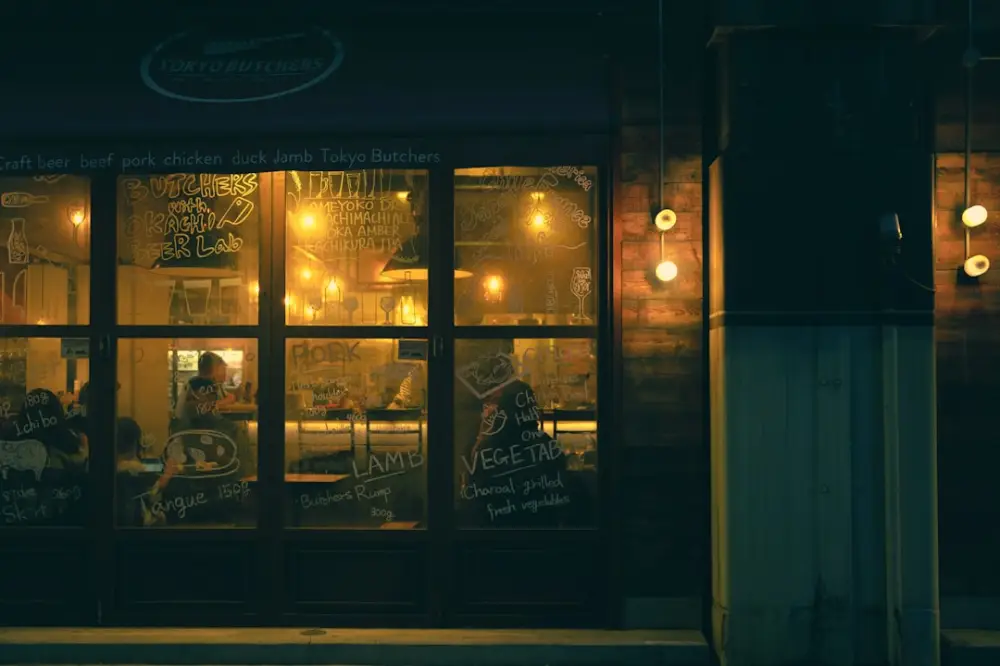
The Shift Toward Destination Brewing in the Modern Travel Industry
The Pilgrimage of the Pint: Defining Destination Brewing
For decades, the concept of travel was often dictated by landmarks, museums, and natural wonders. Travelers flocked to Paris for the Eiffel Tower or to Rome for the Colosseum, with local food and drink acting merely as a secondary support system to the sightseeing experience. However, a quiet revolution has fermented over the last decade. Today, a new generation of travelers is planning entire itineraries around a single, frothy focal point: the craft brewery.
By focusing on craft beer food pairings, these destination breweries are successfully elevating traditional pub fare into a more sophisticated and immersive culinary journey.
The shift toward destination brewing represents a fundamental change in the modern travel industry. It is no longer enough for a brewery to simply produce excellent beer; they are now creating holistic experiences that rival luxury resorts and boutique hotels. This evolution from industrial taprooms to lifestyle hubs is redefining local economies and how we perceive the intersection of hospitality and craft culture.
The Evolution of the Brewery Visit: From Warehouse to Landmark
In the early days of the craft movement, visiting a brewery was an unpolished affair. It usually involved a folding chair in a drafty warehouse, surrounded by stainless steel tanks and the smell of wet grain. While this industrial grit still holds a certain nostalgic charm, the modern traveler seeks something more immersive. We have transitioned into an era where architecture, design, and storytelling are as important as the ABV of an Imperial Stout.
Architecture and Ambience
Today’s flagship breweries are architectural marvels. From repurposed 19th-century cathedrals to sleek, sustainable glass pavilions nestled in rural hillsides, the physical space has become a draw in itself. These locations are designed to encourage lingering. Long communal tables, fire pits, and curated art installations invite visitors to stay for hours, transforming the brewery from a quick stop into a primary destination. The goal is to create a 'sense of place' that cannot be replicated elsewhere, making the physical journey to the source a mandatory part of the consumption experience.
The Economic Ripple Effect on Local Tourism
The rise of the 'beercation'—a vacation centered specifically on visiting craft breweries—has breathed new life into both urban centers and rural outposts. Cities like Asheville, North Carolina, and Bend, Oregon, have seen their tourism identities become inextricably linked with their brewing scenes. This isn't just about the breweries themselves; it's about the ecosystem that grows around them.
When a brewery becomes a destination, it stimulates a variety of local sectors:
- Hospitality: Increased demand for boutique hotels and short-term rentals located within walking or biking distance of 'brewery districts.'
- Transportation: The growth of specialized tour operators, 'ale trails,' and shuttle services designed to transport enthusiasts between remote locations.
- Culinary Arts: A shift toward high-end gastropub menus and farm-to-table collaborations that elevate the traditional 'pub grub' to gourmet levels.
- Retail: Local artisans and shops benefit from the influx of foot traffic generated by brewery events and festivals.
By positioning themselves as cultural anchors, breweries are essentially acting as unofficial tourism boards for their regions, drawing in a demographic that values authenticity and local craftsmanship over mass-market convenience.
Defining the Experience: Beyond the Pint
What separates a standard taproom from a true destination brewery? It is the layer of experience that extends beyond the liquid in the glass. Modern brewing pioneers are integrating diverse amenities that cater to families, outdoor enthusiasts, and luxury travelers alike.
The Rise of Brewery Hotels and Lodging
Perhaps the most significant indicator of this trend is the emergence of brewery-owned lodging. Brands like Dogfish Head with their 'Dogfish Inn' and BrewDog’s 'The Kennel' have proven that there is a massive market for travelers who want to sleep where they drink. These accommodations often feature beer-themed amenities, such as in-room taps, hop-infused soaps, and curated mini-fridges, providing a 24/7 immersion into the brand’s lifestyle.
Educational and Interactive Programming
Destination breweries are also leaning heavily into education. It is no longer just about the 'tour and taste.' Visitors can now participate in hop-harvesting weekends, blending workshops, or even 'beer yoga' sessions. This interactive element transforms the visitor from a passive consumer into an active participant in the brewing narrative, fostering a level of brand loyalty that traditional advertising can never achieve.
Sustainability and Authenticity in Destination Brewing
As the travel industry shifts toward more conscious and sustainable practices, destination breweries are leading the charge. Many modern breweries are built on the principles of circularity—using solar power, reclaiming water, and sourcing ingredients from within a 50-mile radius. For the modern traveler, particularly Millennials and Gen Z, these values are a major draw.
The 'estate brewery' model, where the barley and hops are grown on the same land where the beer is brewed and served, represents the pinnacle of this movement. It offers a level of transparency and 'terroir' that mirrors the wine world’s most prestigious vineyards. This connection to the land provides an authentic narrative that resonates deeply with travelers looking for meaningful, environmentally-conscious experiences.
The Future of Craft Beer Tourism
The shift toward destination brewing is not a passing fad; it is a structural change in the travel landscape. As the market becomes more saturated, breweries must find ways to differentiate themselves. Those that succeed will be the ones that view themselves as more than just manufacturers—they will be the curators of community, the stewards of local culture, and the architects of unforgettable journeys.
Whether it is a remote monastery in Belgium or a high-tech facility in the heart of a bustling metropolis, the destination brewery has become a cornerstone of the modern travel industry. It reminds us that sometimes, the best way to understand a new place is through a glass, shared with locals, at the very source of the craft.
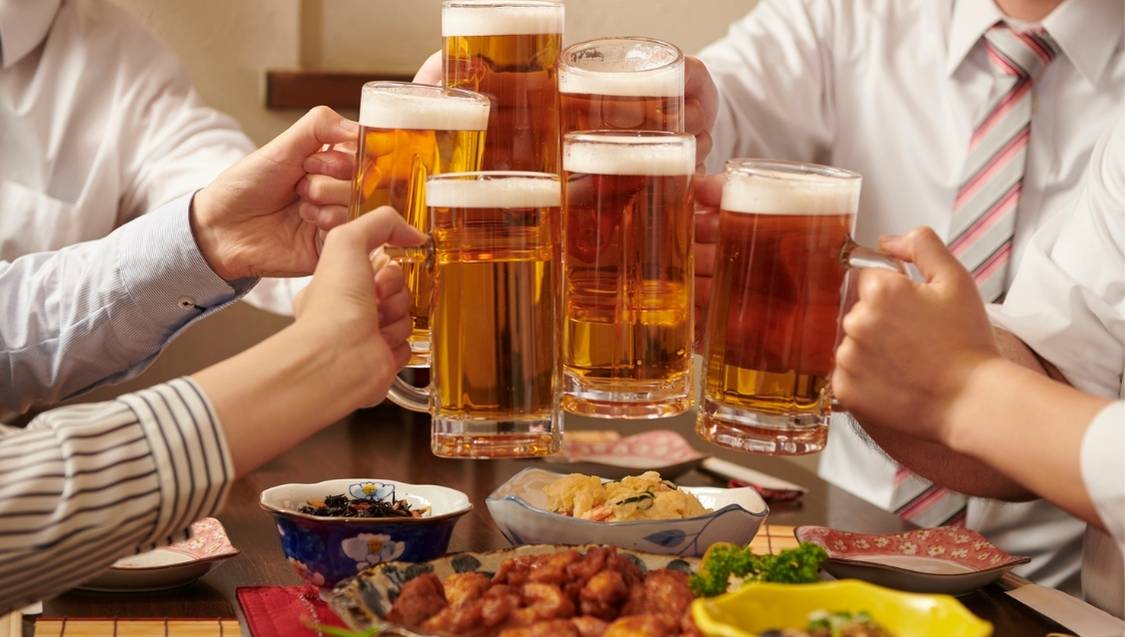
The Art of Pairing: Craft Beer Meets Gourmet Cuisine
The world of craft beer has evolved far beyond taprooms and festivals—it’s now entering the domain of fine dining. As chefs and brewers collaborate more closely, a new culinary art form is taking shape: craft beer pairing.
No longer an afterthought to wine, beer has become a sophisticated partner to gourmet cuisine, offering an incredible range of flavors, aromas, and textures that can elevate any dining experience.
A New Era in Culinary Collaboration
Pairing beer with food isn’t new, but the craft beer movement has pushed it to new creative heights. Today’s brewers are crafting beers with complex profiles—smoky, sour, fruity, or bitter—each designed to complement specific dishes.
At the same time, chefs are embracing the versatility of beer as both an ingredient and a pairing companion. From IPA-glazed salmon to stout-infused desserts, these collaborations reflect an exciting culinary evolution where artistry meets experimentation.
Understanding the Basics of Beer Pairing
Like wine, successful beer pairing relies on balance, contrast, and harmony. Each beer style brings unique characteristics that can either enhance or clash with food flavors.
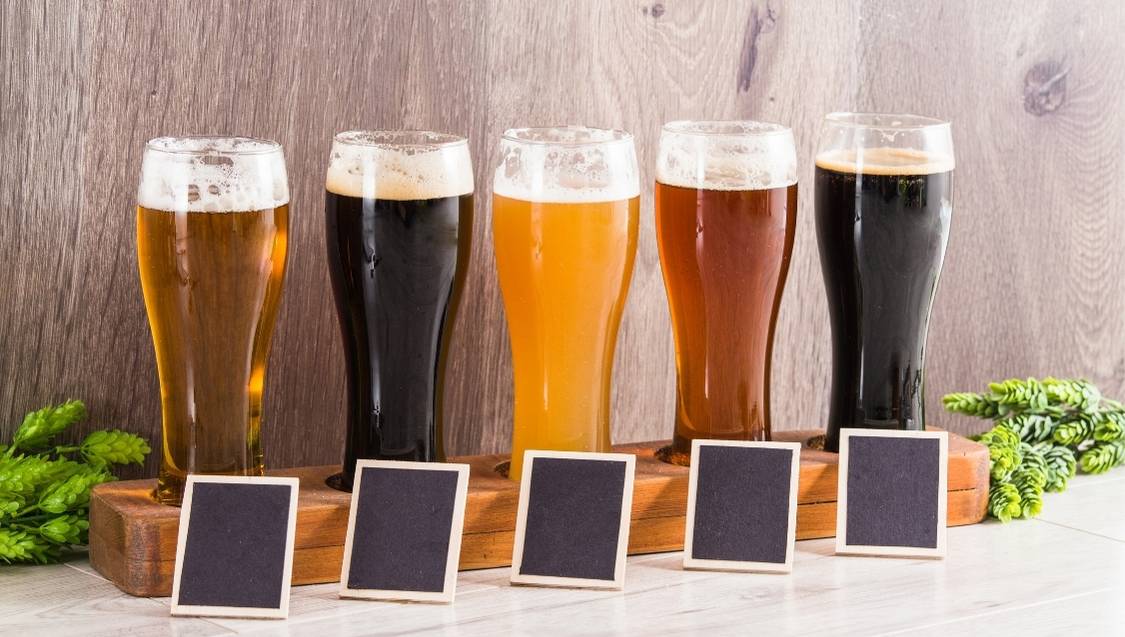
- Light beers (like pilsners or blonde ales) pair beautifully with seafood, salads, and mild cheeses.
- Amber ales and IPAs complement spicy dishes and roasted meats, balancing heat with hoppy bitterness.
- Dark stouts and porters work perfectly with rich, creamy desserts or slow-cooked meats, enhancing depth and sweetness.
- Sour and fruit-forward beers introduce bright acidity, making them ideal for cutting through fatty or fried foods.
The goal is synergy—the moment when the beer and the dish elevate one another, creating a memorable experience that lingers long after the last bite.
Craft Beer in Fine Dining: Breaking Boundaries
Gourmet restaurants are now featuring curated beer-tasting menus, where each course is intentionally paired with a specific brew. This approach allows diners to experience beer in a refined, elevated context—challenging traditional norms and expanding culinary horizons.
Events such as beer-pairing dinners and brewery-led culinary collaborations are also on the rise, reflecting a growing recognition that craft beer belongs at the same table as high-end wine.
What makes these experiences unique is the shared creativity: brewers and chefs work side-by-side to explore new possibilities, designing pairings that highlight flavor depth, local ingredients, and cultural influences.
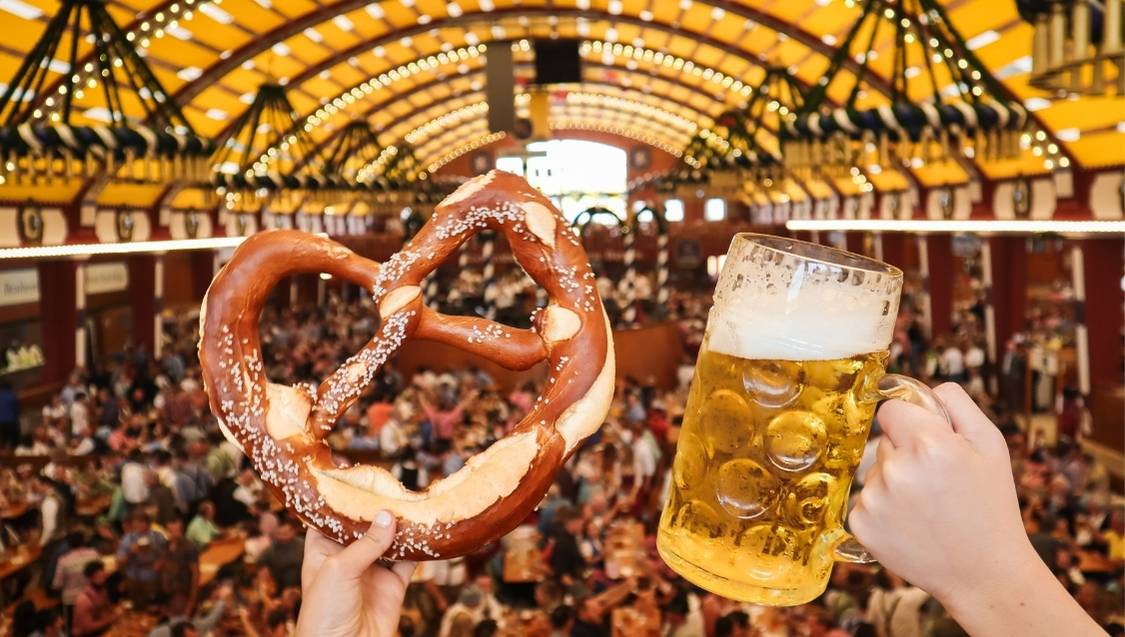
The Sensory Connection
What sets beer apart from other beverages in pairing is its carbonation, malt complexity, and versatility. Bubbles act as natural palate cleansers, while malt sweetness balances spice and salt. The result is a dynamic, layered tasting experience that stimulates the senses in multiple ways.
This sensory interplay transforms dining into something more than consumption—it becomes an act of discovery. Each pairing tells a story: of the brewer’s craft, the chef’s creativity, and the region’s character.
The Future of Beer and Gastronomy
As consumers become more adventurous and sustainability-conscious, the demand for local, craft-driven dining experiences continues to grow. Breweries and restaurants are responding with collaborative menus that emphasize seasonality, terroir, and storytelling.
The next decade will see beer-pairing culture mature into a defining element of global gastronomy. Craft beer will no longer be the casual drink—it will be the centerpiece of the table.
A Toast to Flavor and Innovation
The art of pairing craft beer with gourmet cuisine is not just a trend—it’s a culinary revolution. It celebrates craftsmanship, creativity, and the joy of discovering new flavor harmonies.
Whether you’re a brewer, chef, or passionate foodie, the message is clear: when craft beer meets gourmet cuisine, the possibilities are endless—and the experience unforgettable.
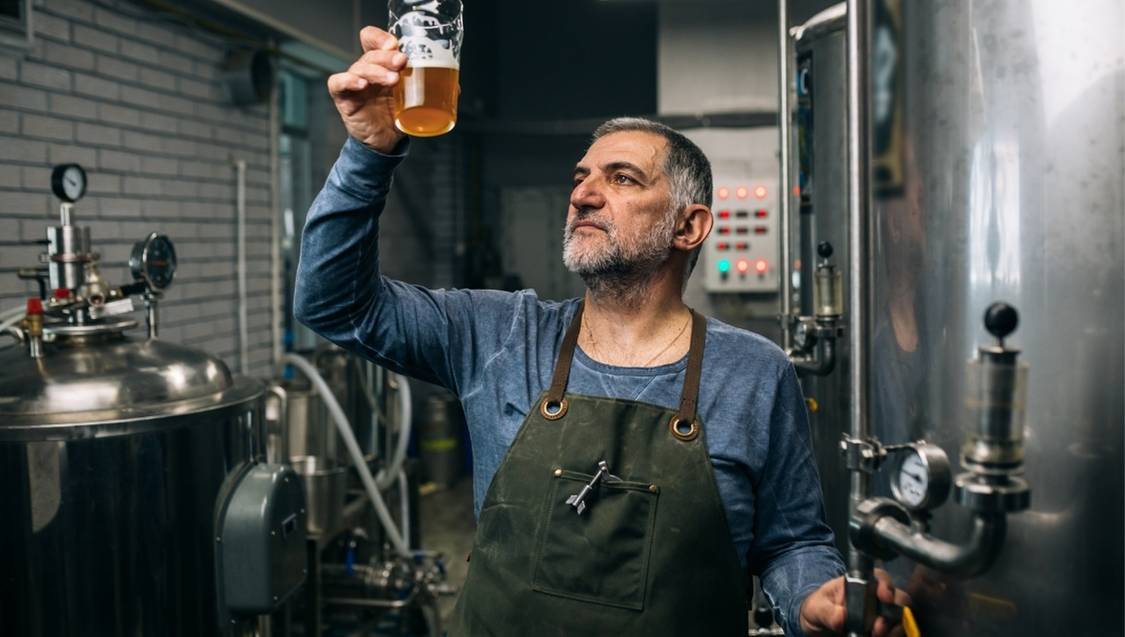
Sustainability on Tap: How Craft Brewing Goes Green
The craft beer revolution has always been about more than great flavor—it’s about values, authenticity, and innovation. Today, those same principles are fueling a new movement within the industry: sustainable brewing.
From water conservation to renewable energy, craft breweries are proving that great beer doesn’t have to come at the planet’s expense. In fact, sustainability has become a competitive advantage—and a defining characteristic—of the modern craft beer industry.
Brewing with Purpose: A Shift in Mindset
Traditional brewing is resource-intensive. It consumes vast amounts of water, generates waste, and relies heavily on energy and raw materials. For small independent brewers, this reality has become a call to action.
Across the world, craft breweries are rethinking their production models to minimize environmental impact while maintaining quality and creativity. This shift goes beyond compliance—it’s a commitment to responsible craftsmanship.
Water Conservation and Waste Reduction
Water is beer’s most vital ingredient, yet it’s one of the planet’s most threatened resources. Innovative breweries are taking bold steps to reduce consumption through water reclamation, precision cleaning systems, and closed-loop filtration technologies.
Others are turning waste into opportunity. Spent grain, once considered a byproduct, is now being repurposed as animal feed, compost, or even as ingredients in baked goods. Some breweries are partnering with local farms, creating circular systems that keep resources in motion and waste to a minimum.
Energy Efficiency and Renewable Power
Brewing requires heat, cooling, and transport—all energy-intensive processes. The next generation of breweries is moving toward carbon-neutral operations, investing in solar, wind, and bioenergy systems to power their facilities.
Technological innovation also plays a major role. Advanced brewing equipment allows for temperature control optimization, reducing overall energy use. Many brewers now track their carbon footprint, aiming for measurable, transparent sustainability goals.
Local Sourcing and Sustainable Ingredients
Sustainability also extends to where and how ingredients are sourced. Breweries are collaborating with local farmers to secure organic hops, barley, and fruits while reducing the carbon footprint associated with long-distance transport.
This not only supports local economies but also gives each beer a distinct regional identity, reflecting the flavors and character of its origin. It’s sustainability that tastes as good as it performs.
Community Engagement and Education
Craft breweries aren’t just production houses—they’re cultural hubs. Many are using their platforms to raise awareness about environmental issues, hosting workshops, charity events, and educational sessions on sustainable living.
By leading through example, breweries are showing that every pint poured can contribute to a cleaner, more sustainable future.
A Greener Legacy for the Craft Beer Industry
Sustainability isn’t a passing trend—it’s the future of brewing. As consumers increasingly demand transparency and responsibility from the brands they support, breweries that invest in eco-innovation are positioning themselves at the forefront of industry growth.
The rise of sustainable brewing represents a new chapter in the craft beer story—one where planet, people, and product are all given equal importance.
The message is clear: the best beers don’t just taste good—they do good.
The Rise of Craft Beer Festivals: A Global Brewing Revolution
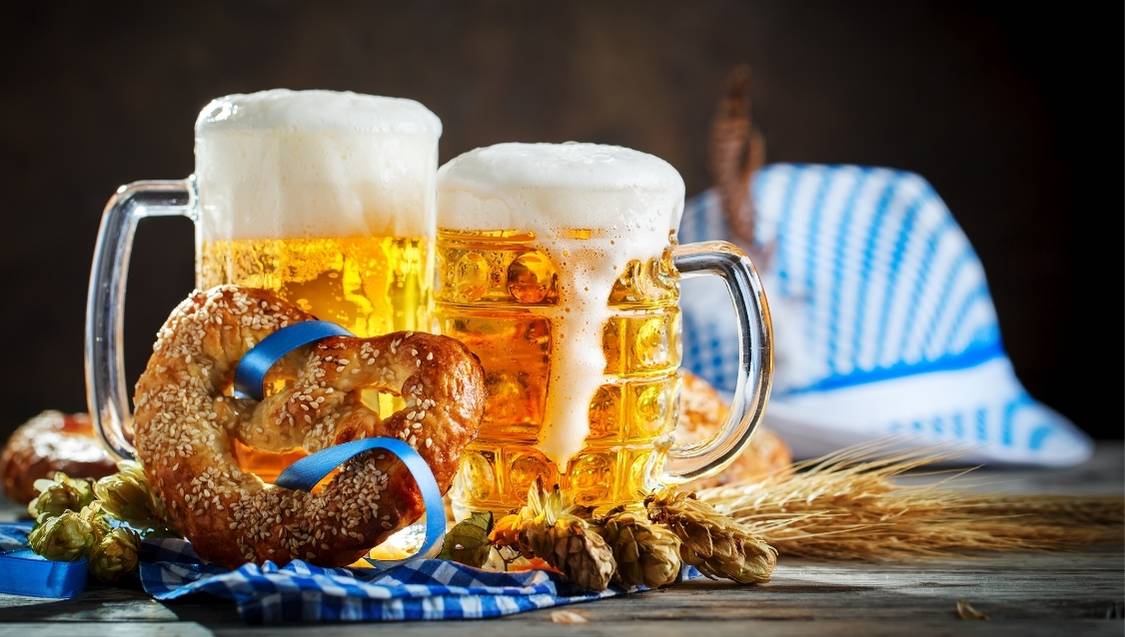
Over the past decade, craft beer festivals have evolved from niche gatherings of passionate brewers to global celebrations of craftsmanship, creativity, and culture. What began as a local expression of independent brewing has turned into a worldwide movement—one that redefines how people experience beer, community, and innovation.
From bustling cities to small artisan communities, craft beer festivals have become the heartbeat of the brewing revolution, connecting enthusiasts, brewers, and innovators who share one philosophy: beer is no longer just a beverage—it’s an experience.
The Global Shift Toward Authentic Brewing
For much of the 20th century, the beer industry was dominated by large-scale production, uniform flavors, and mass marketing. But consumers started to crave authenticity—something local, personal, and crafted with intention.
Enter the craft beer movement. Independent brewers began experimenting with ingredients, fermentation methods, and styles that broke away from industrial norms. Craft breweries became creative labs, blending tradition with bold innovation—introducing everything from hazy IPAs and barrel-aged stouts to fruit-infused sours and experimental lagers.
This cultural shift didn’t stop at the taproom. It spilled over into festivals, where craft beer became a symbol of independence, creativity, and cultural identity.
The Festival Experience: More Than Just Beer
Modern craft beer festivals are immersive events that go far beyond tasting flights. They’re about community, education, and storytelling. Attendees meet the brewers, learn about fermentation science, and discover how local ingredients influence flavor profiles.
Music, gastronomy, and art often accompany the beer experience—transforming festivals into multi-sensory celebrations. Food trucks pair dishes designed to complement specific brews, while workshops and panels dive deep into sustainability, brewing innovation, and the future of craft production.
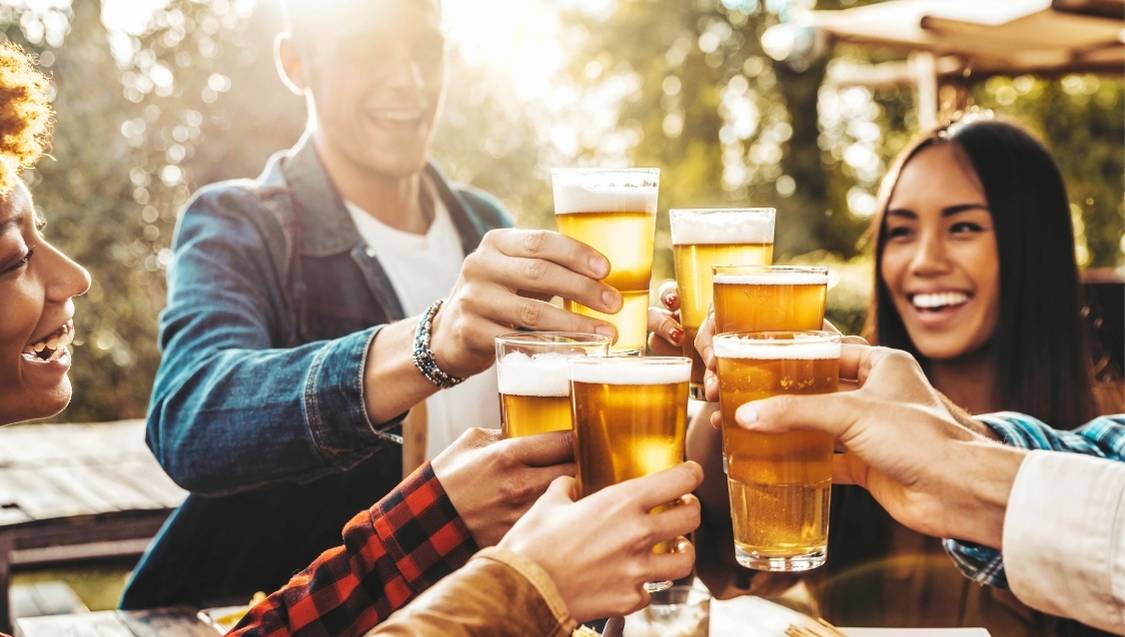
In short, these festivals aren’t just for beer lovers—they’re cultural gatherings that bring together passion, creativity, and craftsmanship under one roof (or open sky).
Economic and Cultural Impact
The growth of craft beer festivals has also generated significant economic and tourism benefits. Cities that host major events—like the Great American Beer Festival in Denver or Barcelona Beer Festival—see millions in local revenue from accommodation, dining, and retail.
More importantly, these gatherings support small businesses and encourage sustainable, local supply chains. Brewers source from nearby farmers and collaborate with local artists, chefs, and entrepreneurs, strengthening regional identity and boosting community pride.
This is what makes the craft beer movement truly revolutionary: it’s not just about better beer—it’s about building better communities.
The Future of Craft Beer Festivals
As the world becomes more connected, the craft beer revolution continues to expand across continents. From Latin America to Southeast Asia, emerging breweries are creating unique styles that reflect their cultural roots and regional ingredients.
Meanwhile, the rise of eco-conscious festivals is pushing organizers to reduce waste, promote local sourcing, and adopt sustainable event practices. Expect to see more festivals embracing digital ticketing, reusable cups, and partnerships that promote environmental stewardship alongside brewing excellence.
Ultimately, the future of craft beer festivals lies in balance—between innovation and tradition, sustainability and celebration.
A Toast to Creativity and Connection
Craft beer festivals have become a symbol of modern craftsmanship—a space where creativity, collaboration, and community come together. They remind us that beer is not merely consumed; it’s experienced, discussed, and shared.
As the global brewing revolution continues to evolve, these festivals will remain at the forefront—celebrating diversity, flavor, and the enduring human spirit of creation.
So the next time you raise a glass
For those interested in learning more about smart parking solutions, this resource provides valuable insights and information on the topic.