
The Great Shift: From Cubicles to Craft Taprooms
The traditional office is no longer the epicenter of professional life. As remote work becomes a permanent fixture for millions, the criteria for choosing a place to live have shifted. It is no longer just about being close to a corporate headquarters; it is about lifestyle, community, and the ‘third space.’ This shift has led to a fascinating trend: remote workers are increasingly flocking to cities known for their thriving craft beer scenes.
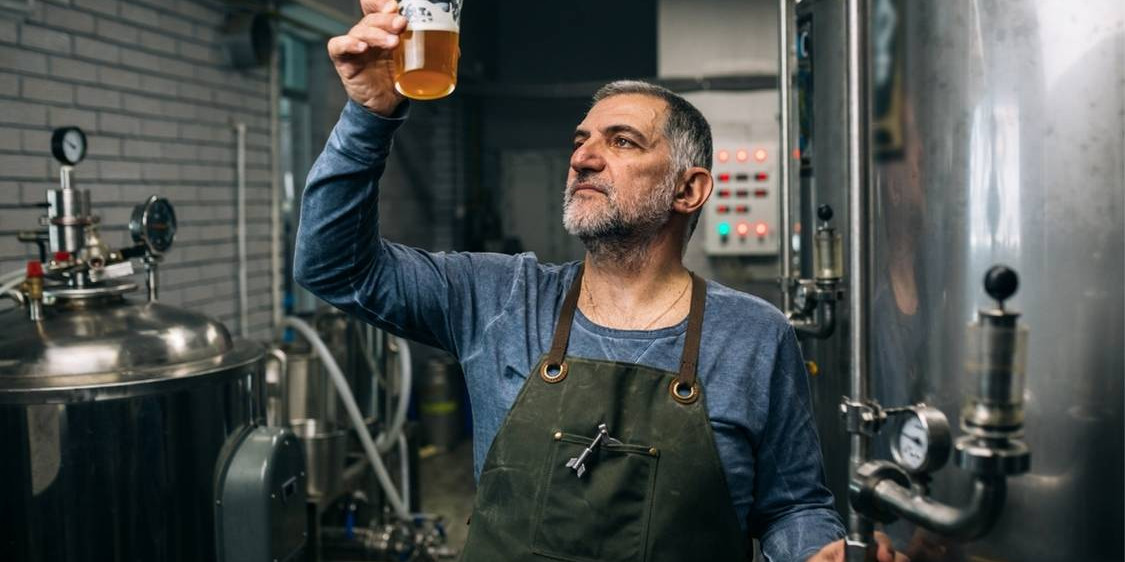
At Festival Cerveceros, we’ve observed how brewing culture has evolved from a weekend hobby into a cornerstone of urban development. For the digital nomad or the home-based professional, a city with a robust selection of breweries offers more than just a great IPA—it provides a practical ecosystem for productivity and social connection.
Breweries as the Ultimate ‘Third Space’
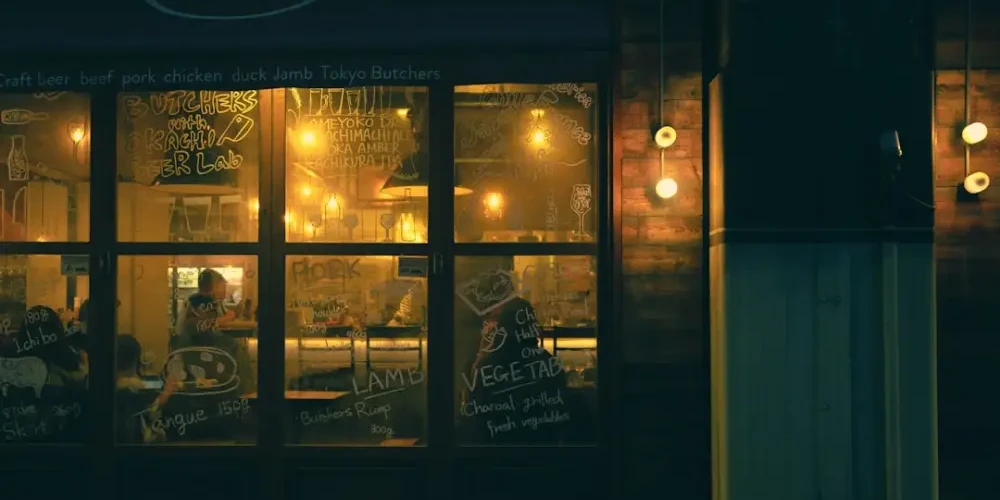
Sociologists often talk about the ‘third space’—a place that isn’t home (the first space) and isn’t work (the second space), but where community happens. For the remote worker, breweries have become the modern iteration of this concept. Unlike traditional bars, craft breweries often feature large, open layouts, plenty of natural light, and a relaxed daytime atmosphere that is conducive to getting things done.
Many breweries have leaned into this trend by offering high-speed Wi-Fi, ample power outlets, and mid-day coffee service before the taps start flowing heavily. The practical appeal is clear: you get the professional focus of a coworking space without the expensive monthly membership fees.
Why Craft Beer Cities Attract High-Value Talent
The presence of a thriving beer scene is often a proxy for other qualities that remote workers value. A city that can support twenty or thirty independent breweries usually boasts a high level of entrepreneurship, a walkable urban core, and a culture that prizes quality over quantity. Here is why these hubs are winning the talent war:
- Walkability and Transit: Most beer-centric cities (like Denver, Portland, or Asheville) prioritize walkable neighborhoods, making it easy to transition from a morning of work to an afternoon of exploration.
- Cultural Vibrancy: A strong brewing scene usually coincides with a great food scene, live music venues, and local art galleries.
- Built-in Community: Remote work can be isolating. Breweries offer a low-pressure environment to meet locals and other professionals, often through run clubs, trivia nights, or industry meetups hosted at the taproom.
Networking Beyond the Cubicle
One of the biggest practical advantages of living in a beer-forward city is the organic networking. In cities like San Diego or Bend, the local brewery is the neighborhood town square. It is not uncommon to find yourself sitting next to a software developer, a graphic designer, or a startup founder. These casual interactions often lead to professional opportunities that are difficult to replicate in a purely digital environment.
Practical Tips for Working from a Taproom
Transitioning your office to a local brewery requires a bit of etiquette and strategy. To ensure you stay productive while remaining a welcome guest, follow these practical guidelines:
- Check the Vibe First: Not every brewery is a workspace. Choose locations with long communal tables, good lighting, and a moderate noise level during the day.
- The ‘One-Drink-Per-Hour’ Rule: If you are taking up a seat and using the Wi-Fi, support the business. This doesn’t have to be beer; many breweries offer kombucha, cold brew, or sparkling water.
- Be Mindful of Peak Hours: If the taproom starts filling up for the happy hour rush, that is your cue to pack up. Never take up a four-person table during a busy Friday evening if you’re just on your laptop.
- Bring Your Own Power: While many modern taprooms have outlets, you shouldn’t count on them. Carry a portable power bank or ensure your laptop is fully charged before you arrive.
What to Look for in Your Next Remote Work Destination
If you are considering a move to a city with a better ‘work-life-brewery’ balance, look for these specific indicators of a healthy scene:
Taproom Density and Variety
A city with only one or two large breweries can get repetitive. Look for ‘brewery clusters’—neighborhoods where multiple taprooms are within walking distance of each other. This allows you to change your scenery throughout the day or week, which can significantly boost creative output.
Outdoor Accessibility
The best beer cities for remote workers often integrate their brewing culture with the outdoors. Whether it’s a beer garden with mountain views or a patio near a city park, having access to fresh air while you work is a major draw for those fleeing cramped metropolitan apartments.
Conclusion: The Future of the Brew-Working Lifestyle
The flocking of remote workers to beer-centric cities isn’t just a passing fad; it’s a reflection of a deeper desire for a more integrated life. By choosing locations that offer a blend of professional infrastructure and high-quality local culture, digital professionals are reclaiming their time and their social lives. As long as breweries continue to provide welcoming, functional spaces, the ‘work-from-brewery’ lifestyle will continue to thrive, one pint and one project at a time.