
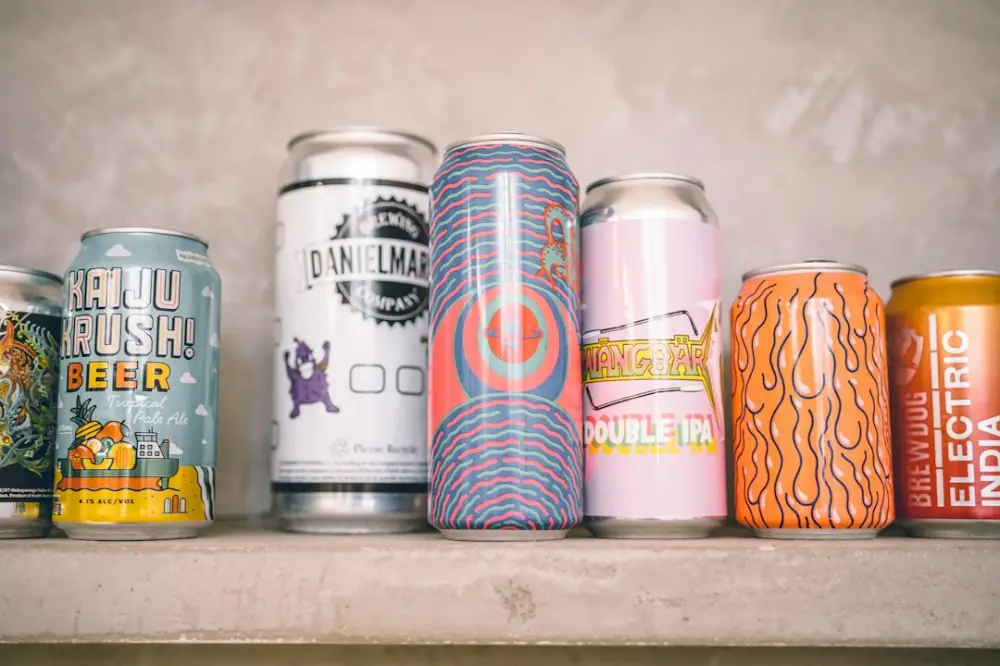
Mindful sensory tasting is a focused approach to evaluating craft beverages by engaging all five senses to appreciate their complexity. Unlike casual drinking, this practice involves observing appearance, identifying aromatic profiles, and analyzing mouthfeel and flavor. It encourages tasters to slow down, recognize the brewer’s creative intent, and develop a deeper connection to the beverage.
Approaching a glass with intention changes the experience from passive consumption to active discovery. By isolating specific variables like temperature and glassware, you can unlock layers of nuance that often go unnoticed in a busy taproom or during a casual dinner. This method builds a mental library of flavors that enhances every future pour.
Defining Mindful Craft Beverage Tasting
Mindfulness in the context of craft brewing is the act of being fully present with the liquid in your glass. It requires a temporary retreat from distractions—putting away the phone and stepping back from loud conversation—to focus entirely on the chemical and artistic composition of the drink. When you engage in mindful tasting, you are not just deciding if a beer is "good" or "bad"; you are dissecting why it tastes the way it does.
For example, consider a traditional Belgian Dubbel. A casual sip might only register as "sweet and dark." However, a mindful approach reveals the specific contributions of caramelized beet sugar, the spicy phenols produced by a particular yeast strain, and the dried fruit esters reminiscent of raisins or plums. This level of detail is only accessible when the taster slows their pace and allows the beverage to interact with different parts of the palate over several minutes.
Flavor Origins: From Ingredients to Glass
To taste mindfully, one must understand that every sensation has a physical source in the brewing process. Flavor begins in the soil and the brewhouse. Hops provide bitterness, aroma, and flavor through their essential oils and alpha acids. Malts contribute the sugars for fermentation while providing the backbone of color and toasted, bready, or chocolate-like flavors. Water chemistry and yeast metabolism further refine the profile.
When you explore the art of pairing: craft beer with specific foods, these ingredient origins become even more vital. A West Coast IPA, for instance, relies on high concentrations of myrcene and humulene oils from Pacific Northwest hops. In a mindful tasting session, you might identify these as pine resin or grapefruit peel. Understanding that these notes come from the agricultural reality of the hop bine helps bridge the gap between the glass and the earth.
Step-by-Step Sensory Evaluation Guide
Following a structured process ensures that no aspect of the brewer's work is overlooked. Use this sequence to evaluate any craft beverage, from a delicate Pilsner to a robust Imperial Stout.
- Visual Inspection: Hold the glass up to a neutral light source. Note the color (straw, amber, copper, or black), the clarity (brilliant, hazy, or opaque), and the head retention. The way foam clings to the side of the glass, known as lacing, can indicate the protein content and the cleanliness of the glassware.
- The Initial Aroma: Swirl the glass gently to release volatile organic compounds. Take a few short, "bloodhound" sniffs followed by one deep inhalation. Look for primary aromas like citrus, floral, or earthy notes, and secondary aromas like caramel, biscuit, or smoke.
- Mouthfeel and Texture: Take a small sip and let it coat your entire tongue. Pay attention to the carbonation level (prickly, soft, or flat), the body (thin, medium, or full), and the presence of astringency or warmth from alcohol.
- Flavor Analysis: Identify the balance between sweetness and bitterness. Does the flavor evolve from the front of the tongue to the back? You might notice a honey-like start that transitions into a dry, herbal finish.
- The Aftertaste: After swallowing, breathe out through your nose. This retro-nasal breathing often reveals lingering notes, such as a subtle nuttiness or a final flash of hop resin, that weren't apparent during the initial sip.
Building Your Palate with Intent
Palate development is a skill that improves with consistent, intentional practice. One of the most effective ways to sharpen your senses is through comparative tasting. By sampling two or three similar styles side-by-side—such as three different German-style Helles lagers—you can more easily detect the subtle differences in malt sweetness or water hardness that define each brewery's unique signature.
Using the craft beer traveler’s guide to local taprooms can provide the perfect environment for this experimentation. When visiting a new city, order a flight of four distinct styles. Try to identify one specific ingredient in each that stands out. This practice builds a sensory vocabulary that allows you to describe beverages with precision, moving beyond generic terms like "hoppy" to more specific descriptors like "damp forest floor" or "candied orange peel."
Overcoming Common Tasting Obstacles
Several external and internal factors can skew your sensory perception. Olfactory fatigue is a common issue; after smelling several high-intensity beverages, your nose may become desensitized. To combat this, take a break and smell your own clean skin (the crook of your elbow is a standard neutral point) to reset your sense of smell. Avoid wearing strong perfumes or being near pungent food while tasting, as these will interfere with the delicate aromatics of the beverage.
Temperature is another critical variable. Serving a complex Stout straight from a 38-degree Fahrenheit refrigerator will mask many of its flavors. As the liquid warms toward 50 or 55 degrees, the molecules move faster, releasing the aromas of vanilla, oak, or coffee. Conversely, a light lager that gets too warm may lose its refreshing crispness and reveal minor off-flavors that were intended to be hidden by a cold serving temperature. Always give a beverage time to breathe and change as it reaches room temperature.
Join the Craft Community at Festival Cerveceros
The journey toward becoming a more mindful taster is best shared with others who value the craft. Engaging with a community of brewers and enthusiasts allows for a cross-pollination of ideas and sensory observations. What you perceive as "black pepper" might be identified by a fellow taster as "clove," leading to a deeper discussion about yeast temperatures and fermentation profiles. This shared exploration is what transforms a simple hobby into a lifelong pursuit of knowledge.
At Festival Cerveceros, we prioritize this connection between the creator and the consumer. By slowing down and applying these mindful techniques, you honor the labor and science that goes into every batch. Whether you are standing at a festival booth or sitting in your favorite local brewery, mindful tasting turns every glass into an educational experience. We invite you to use these tools to explore the evolving world of craft beverages and contribute your own unique perspective to the global brewing conversation.